

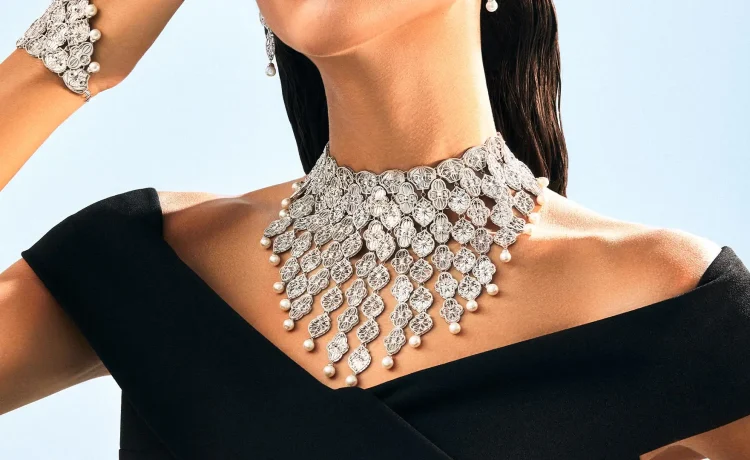

Jewelry has always held a unique position in the world of fashion. Beyond its decorative appeal, jewelry carries cultural meaning, emotional value, and personal expression. From ancient civilizations to contemporary runways, jewelry has evolved alongside fashion trends while maintaining its symbolic importance. In today’s fast-moving fashion industry, jewelry remains a powerful accessory that defines style, enhances identity, and reflects changing social values.
Jewelry as a Form of Personal Expression
Unlike clothing, which often follows seasonal trends, jewelry tends to be more personal and enduring. A necklace, ring, or bracelet can represent memories, beliefs, or milestones in a person’s life. Jewelry allows individuals to express personality and individuality in subtle or bold ways, whether through minimalist designs or statement pieces.
Modern consumers are increasingly drawn to jewelry that tells a story. Custom-made pieces, engraved items, and heirloom-inspired designs appeal to those seeking emotional connection rather than mass-produced fashion. This shift reflects a broader movement in fashion toward authenticity and self-expression.
The Evolution of Jewelry Trends
Jewelry trends have evolved significantly over time. In earlier eras, jewelry was often a symbol of wealth and social status, featuring precious metals and gemstones. Today, fashion jewelry embraces a wider range of materials, including recycled metals, alternative stones, glass, and sustainable components.
Layering has become a defining trend in modern jewelry styling. Multiple necklaces of varying lengths, stacked rings, and mixed metals create versatile and dynamic looks. This trend encourages creativity and adaptability, allowing individuals to reinvent their style without investing in entirely new wardrobes.
The Role of Jewelry in High Fashion
High fashion continues to play a major role in shaping jewelry trends. Designers frequently incorporate bold, artistic jewelry into runway collections, transforming accessories into focal points rather than finishing touches. Oversized earrings, sculptural necklaces, and avant-garde designs challenge traditional ideas of wearability and redefine what jewelry can be.
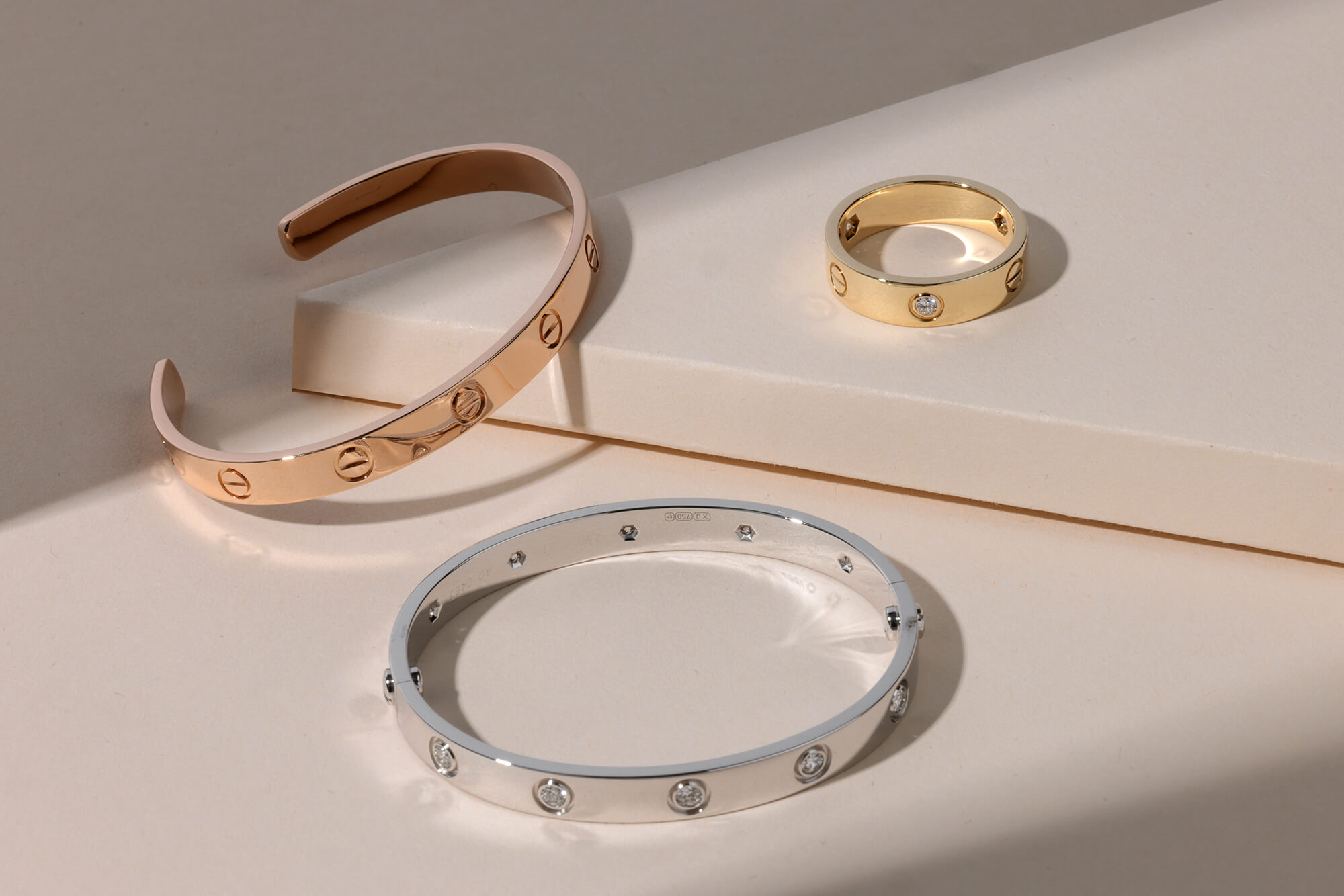
Luxury fashion houses often collaborate with jewelry designers to create cohesive collections that blend craftsmanship with innovation. These collaborations influence mainstream fashion, as elements from haute couture gradually filter into everyday accessories and affordable fashion lines.
Sustainability and Ethical Jewelry
Sustainability has become a critical issue in both fashion and jewelry. Consumers are increasingly aware of the environmental and ethical impact of mining, manufacturing, and labor practices. As a result, ethical sourcing and sustainable production are gaining prominence in the jewelry industry.
Recycled metals, lab-grown gemstones, and transparent supply chains are reshaping how jewelry is made and marketed. Brands that prioritize sustainability often emphasize quality, durability, and timeless design over fast fashion trends. This approach aligns with a growing desire for responsible consumption and long-term value.
Technology and Innovation in Jewelry Design
Advancements in technology have significantly influenced jewelry design and production. Computer-aided design (CAD) allows for precision, customization, and experimentation that were previously difficult or time-consuming. 3D printing has further expanded creative possibilities, enabling designers to produce complex forms with reduced waste.
Technology also enhances the shopping experience. Virtual try-on tools, online customization platforms, and augmented reality features allow customers to explore jewelry digitally before making a purchase. These innovations bridge the gap between traditional craftsmanship and modern retail, making jewelry more accessible and interactive.
Jewelry in Everyday Fashion
Jewelry is no longer reserved for special occasions. In modern fashion, accessories are integrated into everyday looks, from casual outfits to professional attire. Simple stud earrings, delicate chains, and understated rings add polish without overwhelming an outfit.
This everyday approach to jewelry reflects changes in lifestyle and dress codes. As workplaces become more flexible and fashion norms evolve, jewelry provides a way to maintain elegance and individuality across different settings. Versatile pieces that transition from day to night are especially valued by contemporary consumers.
Cultural Influences and Global Inspiration
Globalization has brought diverse cultural influences into the jewelry and fashion industries. Traditional motifs, techniques, and materials from different regions are being reinterpreted in modern designs. This cultural exchange enriches jewelry aesthetics while promoting appreciation for heritage and craftsmanship.
Designers often draw inspiration from historical jewelry, ethnic patterns, and symbolic elements, blending them with contemporary styles. When done respectfully, this fusion celebrates cultural diversity and adds depth to fashion narratives. It also highlights the importance of preserving artisanal skills in a rapidly industrialized industry.
The Emotional and Symbolic Value of Jewelry
Jewelry often carries deep emotional significance. Engagement rings, wedding bands, and commemorative pieces mark important life events and relationships. Even fashion jewelry can hold sentimental value, reminding wearers of special moments, travels, or personal achievements.
This emotional dimension sets jewelry apart from other fashion items. While clothing trends may fade, meaningful jewelry often remains cherished for years or generations. As consumers seek more meaningful connections with their possessions, the emotional value of jewelry continues to gain importance.
The Future of Jewelry and Fashion
The future of jewelry in fashion is likely to emphasize personalization, sustainability, and innovation. Consumers will continue to seek pieces that align with their values and lifestyles, favoring quality over quantity. Technology will play an increasing role in design, production, and retail, enhancing creativity and customer engagement.
At the same time, traditional craftsmanship will remain highly valued. The fusion of modern techniques with artisanal skills offers a balanced approach that honors heritage while embracing progress. Jewelry will continue to evolve as both a fashion accessory and a personal statement.
Conclusion
Jewelry occupies a timeless yet ever-changing role in fashion. It enhances style, communicates identity, and carries emotional significance beyond trends. As fashion becomes more conscious and individualized, jewelry stands out as a powerful medium for self-expression and storytelling.
By blending tradition with innovation and aesthetics with ethics, the jewelry industry is redefining its place in modern fashion. Whether worn as a subtle accent or a bold statement, jewelry remains an essential element that connects fashion to culture, emotion, and personal meaning.